Review: No Pain No Gain SVG for Bold Embroidery Projects
As a designer who spends more time staring at stitch previews than actual fabric, I approach every new machine embroidery design with a healthy dose of skepticism. We have all seen those "motivational" graphics that look great on a screen but turn into a tangled mess of thread breaks and puckering once they hit the hoop. That is why I took a close look at the No Pain No Gain SVG T-shirt Design before committing it to any client work or personal handmade product lines. This isn't just about downloading a file; it is about understanding how a bold typographic statement translates into physical texture and durability.
First Impressions: Mood and Visual Personality
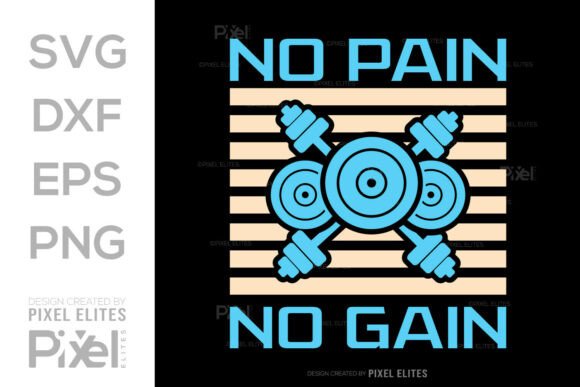
The first thing that strikes me about this Graphics asset is its unapologetic energy. The phrase "No Pain No Gain" carries a specific weight—it implies grit, effort, and results. Visually, the design leans into this with strong, blocky lettering that demands attention. It does not try to be delicate or subtle, which is a smart move for an embroidery project intended for fitness lovers and athletes. The layout feels balanced, avoiding the common pitfall of overly long lines that force the use of massive hoops or result in tiny, unreadable text.
When I visualize this as a finished product, the mood is instantly clear: it belongs on gear that gets used hard. It is not a design for a sheer silk scarf or a delicate baby bonnet. Instead, it screams for heavy cotton, fleece, or structured canvas. The visual personality suggests resilience, making it an ideal candidate for custom apparel where the wearer wants to project strength. For an Etsy seller or small shop owner, this kind of clear thematic focus is gold because it targets a specific niche without needing excessive explanation.
Real-World Application: From Screen to Stitch
To truly test the viability of the No Pain No Gain SVG T-shirt Design, I imagined a specific real-life scenario: creating a line of gym bags and heavyweight hoodies for a local CrossFit box. In this context, the design needs to withstand sweat, frequent washing, and friction against equipment. If I were stitching this onto a tote bag design made of thick canvas, the bold lines would hold up beautifully. The lack of intricate, hairline details means less risk of thread snapping during high-speed stitching.
However, moving this from a digital concept to a physical personalized gift requires careful consideration of the substrate. For sweatshirt embroidery, the fabric texture plays a huge role. On a smooth, high-quality fleece, the design would pop with excellent clarity. But if you attempt this on a highly textured waffle knit or a loose-weave jersey, you might lose some of the sharpness in the corners of the letters. This is where the designer's eye must intervene. You are not just placing an image; you are managing the interaction between thread and fiber.
I also considered its use on an embroidered patch. Given the strong outlines and solid fill areas likely present in such a bold motif, this design could translate exceptionally well to a merrow-edge patch. This would expand its utility beyond direct-to-garment applications, allowing crafters to create iron-on accessories for jackets or backpacks. For commercial embroidery projects, versatility like this increases the perceived value of the asset significantly.
Technical Considerations and Potential Pitfalls
While the aesthetic is strong, practical execution requires vigilance. One area where I would proceed with caution is stitch density. Bold designs often tempt digitizers to pack in too many satin stitches to ensure coverage. If the density is too high on a stretchy fabric, you risk "bird nesting" or causing the garment to pucker permanently. Before running a production batch, it is crucial to test the design on scrap fabric that matches your final material.
Another critical factor is the hoop size. While the design appears compact enough for standard hoops, always verify the dimensions against your machine's capabilities, especially if you plan to embroider on curved surfaces like caps. Cap embroidery introduces a whole new set of challenges regarding tension and registration. A design that sits flat on a t-shirt might distort when forced onto the curve of a hat brim. Additionally, pay close attention to the smallest details. If there are tiny connecting bridges between letters or fine serifs, ensure they are wide enough to survive the stitching process without breaking away.
Fabric choice is equally important. Dark fabrics require careful thread color selection to maintain contrast. A black thread on a navy hoodie might look muddy in person even if it looks distinct on a monitor. Conversely, using metallic or high-sheen threads on a matte fabric can elevate the design, giving it a premium feel suitable for boutique branding. Always run a test stitch-out in both black and white mockups to gauge how the design performs under different lighting conditions and color combinations.
Enhancing Brand Value and Customer Trust
For creative entrepreneurs, the quality of your design assets directly reflects on your brand. Using a well-executed file like the No Pain No Gain SVG T-shirt Design can boost customer trust. When a buyer receives a holiday gift or a piece of custom apparel where the stitching is clean, dense, and free of gaps, they associate that quality with your shop. It reinforces the idea that you care about the finished product, not just the sale.
This design also offers excellent potential for printable mockup creation. Because the shapes are distinct and recognizable, they render well in digital previews, helping online shoppers visualize the item before purchasing. For an Etsy seller, having a design that photographs well and looks professional in listings is half the battle won. It drives engagement and helps your products stand out in a crowded marketplace.
Final Designer Notes for Success
Before you commit to using this design for your next craft business venture, keep these practical steps in mind:
- Check Licensing: Confirm whether the license allows for commercial use if you plan to sell finished items or digital derivatives.
- Stabilizer Selection: Match your stabilizer to the fabric weight. Heavy designs on light fabric need robust support to prevent sagging.
- Thread Contrast: Experiment with thread colors that offer high visibility against your chosen fabric background.
- Density Review: Inspect the stitch count and density settings. If the file allows editing, reduce density slightly for stretchy knits.
- Small Detail Inspection: Zoom in on the digital file to ensure no elements are too small to stitch reliably.
- Wash Testing: Since this is a fitness-themed design, wash your test sample multiple times to ensure durability.
In conclusion, the No Pain No Gain SVG T-shirt Design is a potent tool for the right project. It excels in environments where boldness and durability are paramount. By respecting the technical limitations of embroidery and choosing the right materials, you can transform this digital graphic into a high-value small shop product that resonates with customers. It is a reminder that in our trade, just like in the gym, the results come from putting in the careful, deliberate work behind the scenes.