Life is Better When You're Crafting: A Designer's Review
As a designer who spends more time staring at stitch simulations than I do sleeping, I approach every new digital embroidery file with a mix of excitement and skepticism. We've all been there: you buy a cute graphic, digitize it (or download a pre-made version), and halfway through the run, you realize the satin columns are too wide or the text is illegible at small sizes. That is why I took a close look at the Life is Better when You re Crafting SVG design before committing it to a client project. This isn't just about whether the image looks good on a screen; it is about how it translates into thread, fabric, and ultimately, a handmade product that holds up in the real world.
First Impressions and Visual Personality
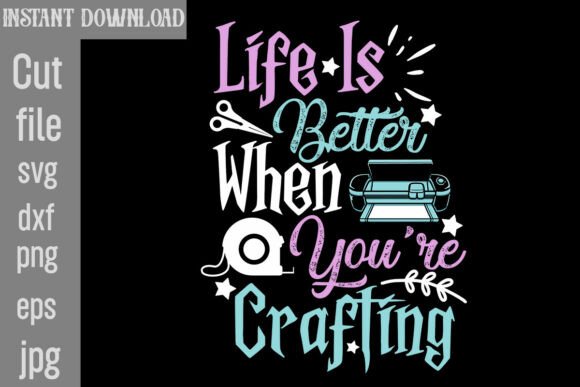
When I first opened the zip file, my immediate thought was about versatility. The package includes an SVG for Cricut, a DXF for Silhouette, an EPS vector, and a high-resolution PNG. While these are primarily cut files for vinyl or sublimation, as an embroiderer, I see them as the foundational artwork for creating custom machine embroidery designs. The phrase "Life is Better when You're Crafting" carries a warm, inviting mood. It speaks directly to our core audience—the makers, the hobbyists, and the small business owners who live in their studios.
The typography in the source files appears clean and readable, which is crucial. In embroidery, overly script-heavy or intricate fonts can turn into a tangled mess of thread breaks and bird nests. This design seems to strike a balance between personality and legibility. The layout feels natural for a centered chest placement on a tee or a prominent display on a tote bag. It has that "boutique" feel without trying too hard, making it an excellent candidate for T-Shirt Designs that need to look professional rather than homemade in the negative sense.
Real-World Application: The Tote Bag Test
To truly evaluate this asset, I imagined a specific scenario: a local craft fair where I'm selling branded merchandise for a yarn shop. They need custom apparel and accessories that scream creativity. I decided to visualize this design on a heavy canvas tote bag design. Canvas provides a stable base, perfect for testing stitch density and clarity.
If I were to digitize this SVG into an embroidery file, I would lean towards a combination of fill stitches for the larger letters and perhaps a satin stitch border to make it pop. The message resonates deeply with the target demographic. A customer walking past my booth wouldn't just see a bag; they would see an identity marker. "Yes," they'd think, "my life is better when I'm crafting." That emotional connection drives sales. Whether it's used for sweatshirt embroidery for a cozy studio look or stitched onto an apron for messy workdays, the sentiment fits perfectly.
However, we must consider the transition from vector to thread. The provided files are graphics, not stitch files. This means the responsibility falls on us, the designers, to ensure the stitch density is appropriate. If you are outsourcing the digitizing or doing it yourself, pay attention to the small details in the word "Crafting." Ensure the spacing between letters allows for the fabric to breathe, especially if you are using a textured material like a waffle knit or a looped towel.
Navigating Fabric Challenges and Hoop Sizes
One of the biggest hurdles in using text-based Graphics for embroidery is fabric compatibility. While this design shines on stable cottons and poly-blends, caution is needed elsewhere. If you plan to use this on a stretchy baby onesie for baby embroidery, you must use a high-quality cut-away stabilizer. Without it, the text could distort after the first wash, ruining the finished product.
Curved surfaces present another challenge. Placing this on a cap requires careful positioning. The phrase is relatively long, so fitting it within a standard 4x4 hoop might be tight depending on your font sizing during digitization. You might need to size down the text, which risks losing clarity in the smaller letters like the "r" in "Better." Always test your design on scrap fabric that matches your final material. Check how the thread colors contrast against dark fabrics; a light gray thread on a black hoodie might look sophisticated in a mockup but vanish in person.
For those considering this for holiday embroidery gifts, think about the recipient's lifestyle. A kitchen towel with this quote is charming, but remember that towels undergo frequent washing and high friction. Dense stitching might make the towel stiff or uncomfortable to dry hands with. In such cases, consider using an appliqué technique or reducing the fill density to maintain the softness of the base fabric.
Commercial Viability and Brand Consistency
For Etsy sellers and creative entrepreneurs, consistency is key. Using a design like Life is Better when You re Crafting SVG across multiple product lines—from patches to pillow covers—creates a cohesive brand image. It tells your customers that you understand their passion. However, before listing items for sale, you must verify the licensing terms associated with the digital download. Just because you have the SVG does not automatically grant unlimited commercial rights for physical goods unless specified by the creator.
When creating printable mockups for your online shop, the included 300 DPI PNG is a valuable asset. It allows you to show potential buyers exactly what the design looks like without stitching a single sample. This saves time and resources. But remember, a mockup is a promise. The actual embroidered item must meet that visual standard. Poor stitch quality or puckering can damage your reputation faster than anything else.
Final Verdict for Designers
In conclusion, Life is Better when You re Crafting SVG is a strong contender for your design library, provided you treat it with the technical respect it deserves. It is not a magic bullet; it is a raw material. Its success depends on your digitizing skills, your choice of stabilizer, and your understanding of fabric behavior.
My advice? Start small. Stitch it on a simple cotton swatch. Check the back of the hoop for excessive jumping threads. Verify that the spacing works for your specific machine and hoop size. If you are planning a large run of commercial embroidery projects, do a wash test first. Does the design hold up? Do the colors bleed? Once you confirm these practical details, this design can become a staple in your shop, offering a relatable and stylish option for crafters everywhere. It bridges the gap between a digital idea and a tangible, cherished item, proving that with the right execution, life really is better when we create.