Hockey Mode On SVG: A Designer's Review
As someone who spends more time staring at stitch previews than actual game footage, I approach every new machine embroidery design with a mix of excitement and skepticism. When I first pulled up the Hockey Mode on SVG File T-Shirt Design, my immediate thought wasn't just about the graphic itself, but how it would translate from a vector line on a screen to physical thread on fabric. For us in the craft business, the gap between a crisp digital file and a messy finished product is where profits are lost or made. This review breaks down how this specific graphic holds up when you move past the mockup and start hooping.
First Impressions and Visual Personality
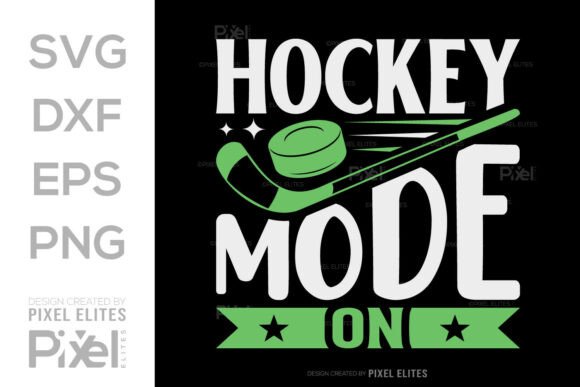
The initial visual impact of this design is energetic without being chaotic. The phrase "Hockey Mode On" suggests a switch has been flipped—a mental shift into game-day focus. Visually, the typography feels bold and sporty, likely relying on strong lines that translate well into satin stitch or dense fill stitch applications. Unlike some overly intricate graphics that lose definition once stitched, this layout appears to prioritize readability. That is crucial for custom apparel where the message needs to be legible from across the rink or the living room.
The mood here is unmistakably active. It fits perfectly into the niche of sports-loving families, coaches, and players who want to wear their passion. As a T-Shirt Design intended for conversion into embroidery, the shapes look clean enough to avoid excessive jump stitches, which is a major plus for production speed. However, because it originates as an SVG file, the responsibility falls on the digitizer—or you, if you are digitizing it yourself—to ensure the transition from cut-file logic to stitch logic is handled correctly. Sharp corners in vectors can become puckered nightmares in embroidery if not softened with proper underlay.
Real-World Application: The Sweatshirt Test
To truly evaluate this asset, I imagined a real-life scenario: a local youth hockey team needing warm-up gear. I pictured placing this design on the chest of a heavyweight fleece sweatshirt embroidery project. In this context, the design shines. The bold lettering stands out against textured fabrics, and the theme resonates immediately with the end-user. For an Etsy seller or small shop owner, this is the kind of handmade product that sells itself during playoff seasons.
Beyond adult apparel, I also see strong potential for baby embroidery. Imagine a onesie or a toddler hoodie with a smaller version of this motif. Parents love dressing their littlest fans in gear that declares their allegiance early. The simplicity of the concept allows it to scale down reasonably well, provided the smallest details aren't lost. If you are creating a personalized gift for a newborn whose parents live and breathe the sport, this design offers a modern alternative to traditional, stuffy monograms.
I also considered its use on non-apparel items. A canvas tote bag design featuring this graphic would make an excellent equipment carrier for skates and sticks. Similarly, applying it to a kitchen towel or apron could create a fun "game day snack station" vibe for hosting parties. The versatility of the graphic means it isn't limited to just shirts; it can anchor a whole collection of small shop products.
Technical Considerations and Fabric Challenges
While the design concept is solid, execution requires attention to detail. One area requiring caution is stitch density. Sports-themed text often demands heavy coverage to look impactful. If you are stitching this on a stretchy jersey or a thin performance fabric, high density can cause distortion or fabric pull. Always test on scrap fabric first. If the design feels too heavy, consider reducing the fill density or switching to a lighter column stitch for the interior of the letters.
Curved surfaces present another challenge. If you plan to use this on a cap, the flat nature of the text might struggle against the front panel's curve. You may need to adjust the pull compensation or break the text into smaller segments to maintain clarity. Furthermore, dark fabrics require careful selection of thread colors. A white or light grey thread will pop, but ensure your underlay is sufficient to prevent the dark fabric from showing through the stitches, which can make the design look muddy.
Small hoop sizes are another constraint. If the original SVG includes decorative elements like hockey sticks, pucks, or ice shards surrounding the text, verify that the entire composition fits within your available hoop area. Cramping a design leads to poor registration and frustration. For embroidered patch creation, ensure the borders are defined clearly so they can be merrowed or laser-cut cleanly after stitching.
Commercial Value and Brand Consistency
For commercial embroidery professionals, consistency is key. Using a design like Hockey Mode on SVG File T-Shirt Design helps build a cohesive brand identity if you specialize in sports niches. Customers trust shops that offer specialized, high-quality themes rather than generic clipart. The professional look of a well-stitched sports design increases the perceived value of the finished product, allowing you to command higher price points.
However, before listing this as a digital embroidery file or selling finished goods, you must verify the licensing terms. Just because a file is labeled as an SVG for cutting doesn't automatically grant rights for commercial embroidery sales. Check the specific license included with the purchase. If you are creating printable mockups for your online store, ensure the digital representation matches the reality of the stitched item to avoid customer disputes.
Practical Notes for the Studio
Before committing to a full production run, keep these practical steps in mind:
- Stabilizer Selection: Match your stabilizer to the fabric weight. Heavy fleece needs a tear-away, while knits demand a cut-away to prevent shifting.
- Contrast Check: View your design in black and white on your screen. If the details disappear in grayscale, they might vanish in low-contrast thread choices.
- Detailed Corners: Inspect sharp angles in the lettering. These are prone to bird-nesting; consider adding tie-ins or adjusting corner settings in your software.
- Wash Testing: Products meant for sports will be washed frequently. Test a sample to ensure the threads don't fray or the fabric doesn't pucker after multiple cycles.
- File Verification: Since this is sourced as an SVG, confirm you have the correct embroidery file formats (PES, DST, EXP, etc.) compatible with your specific machine brand.
In conclusion, the Hockey Mode on SVG File T-Shirt Design offers a spirited foundation for a variety of projects. Its strength lies in its clear theme and bold composition, making it a reliable choice for holiday embroidery gifts, team uniforms, or boutique merchandise. With careful attention to digitizing nuances and material selection, this graphic can elevate your portfolio and delight customers who are always ready for puck drop.